


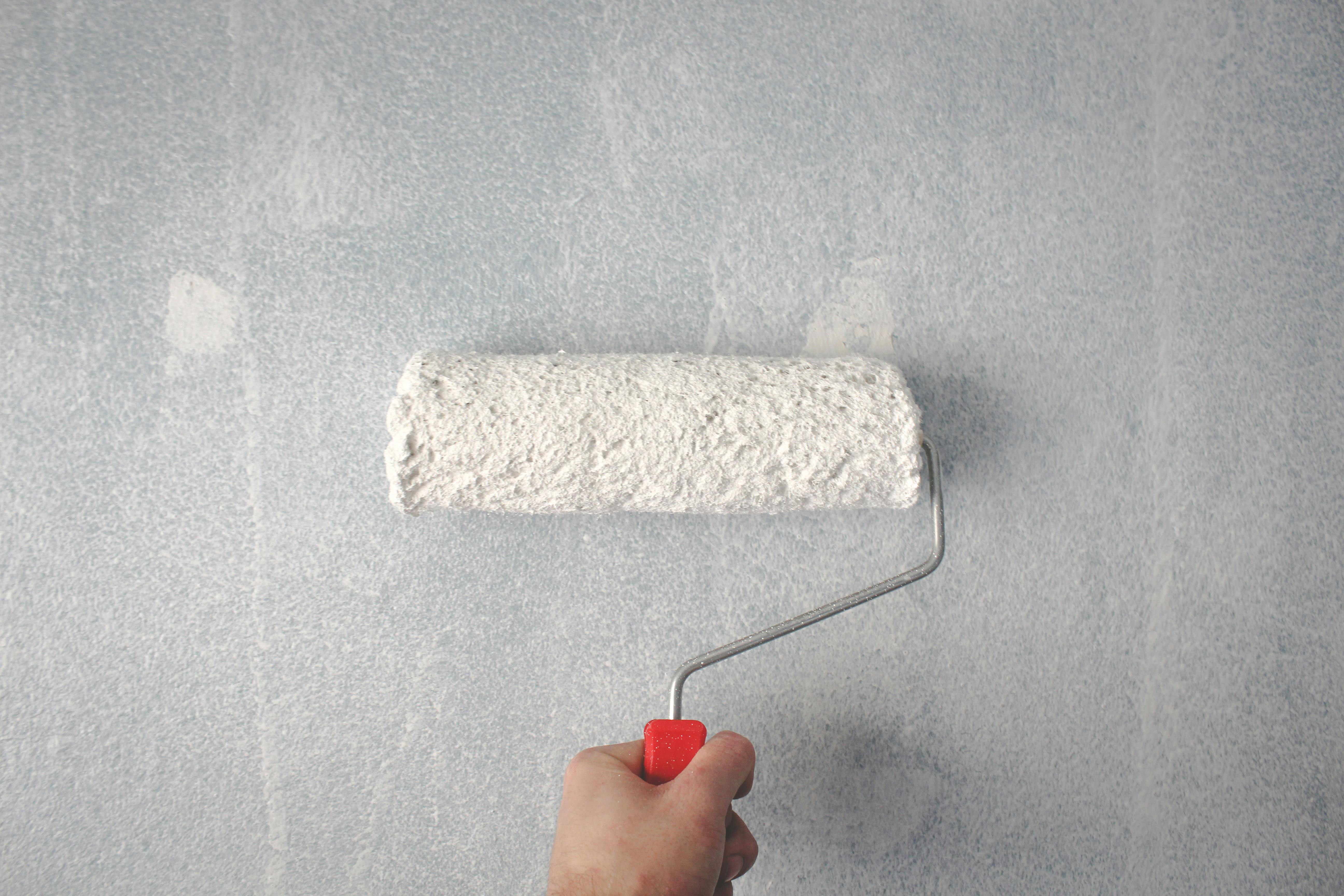
Choosing a paint system is not just a design decision. It is a financial one that can quietly influence maintenance costs for years. Homeowners and property managers often focus on color and upfront price, but experienced professionals know that the real cost of painting shows up long after the job is finished.
For property owners in the Pacific Northwest, where moisture, temperature swings, and coastal air take a toll on building materials, paint system selection becomes even more critical. A well-chosen system can extend repaint cycles, reduce repairs, and protect underlying surfaces. A poor choice can lead to peeling, mildew, and repeated repainting that strains maintenance budgets.
This guide explains how paint system selection directly impacts long-term costs, using practical examples and real-world insight from professional painting projects completed by trusted teams like Next Step Painting LLC.
Understanding What a Paint System Really Is
A paint system is more than a single coat of paint. It is a combination of products and processes designed to work together as one protective layer.
A complete paint system typically includes:
-
Surface preparation methods
-
Primers designed for specific substrates
-
One or more finish coats
-
Application techniques matched to the environment
When these elements are aligned, the result is a high-performance finish that resists wear, weather, and moisture. When they are mismatched or rushed, even the best-looking paint can fail prematurely.
This is why an experienced house painter Bellingham homeowners rely on will always ask detailed questions about surface conditions, exposure, and long-term goals before recommending products.
Why Upfront Paint Costs Can Be Misleading
Many homeowners compare paint options based on price per gallon. While that number is easy to understand, it rarely reflects total cost over time.
Lower-cost paints often:
-
Contain fewer solids
-
Have weaker binders
-
Require additional coats
-
Break down faster under UV and moisture exposure
Premium and industry-leading paints may cost more initially, but they often:
-
Cover better with fewer coats
-
Maintain color longer
-
Resist cracking and peeling
-
Extend repaint cycles by several years
When you factor in labor, surface repairs, and disruption to daily life, repainting too frequently becomes far more expensive than investing in a durable system from the start.
The Role of Climate in Paint System Performance
Climate plays a major role in how long a paint system lasts. In regions like Bellingham, frequent rain, humidity, and cool temperatures challenge even well-applied coatings.
Moisture intrusion is one of the most common causes of paint failure. Without proper primers and breathable finishes, moisture becomes trapped, leading to bubbling, blistering, and mold growth.
A results-driven paint system designed for damp environments typically includes:
-
Moisture-resistant primers
-
Flexible acrylic or elastomeric finishes
-
Proper curing time between coats
These systems cost more upfront but significantly reduce maintenance needs over time.
Surface Preparation and Its Budget Impact
Skipping or rushing preparation is one of the fastest ways to increase long-term costs.
Proper preparation may involve:
-
Power washing
-
Scraping and sanding
-
Repairing damaged siding or trim
-
Sealing bare wood or masonry
While preparation adds to initial labor costs, it creates a stable foundation for the paint system. Without it, even high-quality paint cannot bond properly.
Reliable contractors understand that preparation is not explained away as optional. It is the step that determines whether a paint job lasts three years or ten.
Case Study: Two Homes, Two Different Outcomes
Consider two similar single-family homes in the same Bellingham neighborhood.
Home A selected a low-cost paint option with minimal preparation. The project saved money upfront, but within four years:
-
Paint began peeling on the south-facing walls
-
Moisture stains appeared near trim
-
Full repainting was required
Home B invested in a high-performance exterior system recommended by a well-experienced professional team. The project included:
-
Thorough surface preparation
-
A moisture-blocking primer
-
Two coats of durable exterior paint
After eight years, Home B still shows strong color retention and no major failures. Minor touch-ups were enough to maintain appearance.
When total costs were compared over a ten-year period, Home B spent significantly less on painting and repairs, despite the higher initial investment.
Interior Paint Systems and Maintenance Planning
Interior paint choices also affect maintenance budgets, especially in high-traffic areas.
Lower-quality interior paints:
-
Scuff easily
-
Stain permanently
-
Require frequent touch-ups
Innovative interior systems now offer washable, stain-resistant finishes that hold up to daily wear. While these products may not be necessary in every room, they are ideal for:
-
Hallways
-
Kitchens
-
Bathrooms
-
Rental properties
A scalable approach allows homeowners to invest where durability matters most without overspending elsewhere.
Commercial and Multi-Unit Properties
For commercial buildings and multi-unit properties, paint system selection directly impacts operating budgets.
Frequent repainting means:
-
Increased labor costs
-
Tenant disruption
-
Scheduling challenges
High-performance systems designed for commercial use often include:
-
Faster curing times
-
Increased abrasion resistance
-
Longer warranties
Property managers working with proven professionals often adopt long-term repaint cycles that align with broader maintenance planning, reducing unexpected expenses.
The Importance of Professional Product Knowledge
Not all paints perform the same, even within the same brand. Product lines are designed for specific applications, and choosing the wrong one can lead to early failure.
Trusted painting professionals stay current with:
-
Manufacturer updates
-
New formulations
-
Application best practices
This knowledge allows them to recommend cutting-edge solutions that balance affordability with durability. A top-rated contractor does not simply sell paint; they design a system tailored to the building and its environment.
How Paint Selection Affects Resale and Property Value
Well-maintained paint does more than protect surfaces. It also influences perceived value.
Buyers notice:
-
Fading
-
Cracking
-
Peeling
-
Uneven finishes
A durable, well-executed paint system signals proper care and reduces concerns about hidden issues. This can positively impact resale value and inspection outcomes.
Working With a Local Professional Matters
Local experience matters when selecting paint systems. Contractors who understand regional conditions make better recommendations than generic, one-size-fits-all approaches.
A reliable house painter Bellingham residents trust understands how local weather patterns affect paint longevity. That insight helps homeowners make informed decisions that align with long-term budgets, not just short-term savings.
Companies like Next Step Painting LLC focus on results-driven planning that protects homes while respecting financial goals.
Final Thoughts on Long-Term Maintenance Savings
Paint system selection is one of the most effective ways to control long-term maintenance costs. The right system:
-
Reduces repaint frequency
-
Minimizes repairs
-
Protects structural materials
-
Preserves appearance
While it may be tempting to choose the lowest upfront price, experienced homeowners and property managers understand that value is measured over years, not days.
Working with a well-experienced, trusted professional ensures that every layer, from preparation to finish, contributes to a durable and cost-effective outcome.

 English
 Arabic
 French
 Spanish
 Portuguese
 Deutsch
 Turkish
 Dutch
Dutch
 Italiano
 Russian
 Portuguese (Brazil)
 Greek
Greek