


Surgical procedures rely heavily on precision and the ability to control bleeding effectively. Hemostats serve as the primary tool for clamping blood vessels and holding tissue, making them indispensable in any operating room. Surgeons and medical professionals need a deep understanding of the various tools at their disposal to ensure patient safety and procedural success. Azeemed Instruments is dedicated to providing high-quality surgical tools that meet the needs of professionals, ensuring that every instrument performs reliably under pressure. This guide explores the essential varieties of these clamps to help you select the right instrument for specific surgical scenarios.
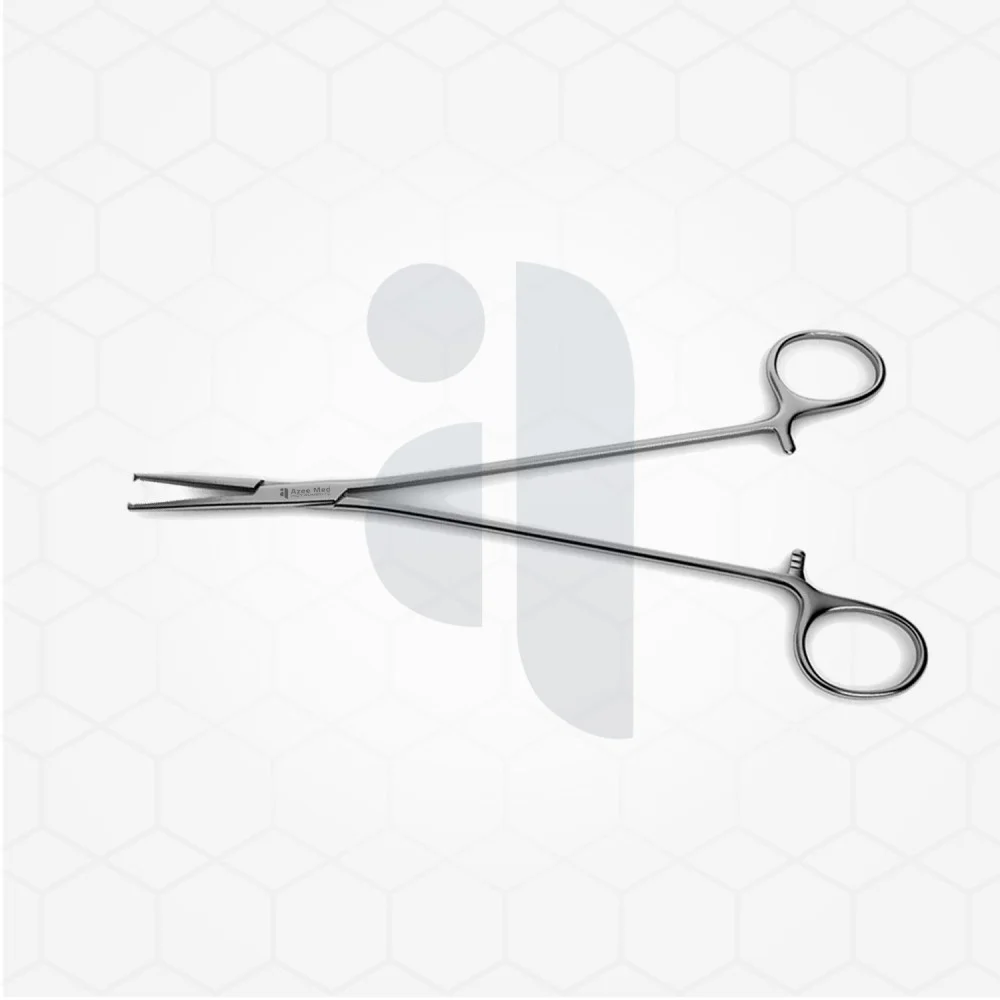
Common Characteristics Across Different Types of Hemostats
Almost all hemostatic forceps share a similar basic anatomy despite their specific variations. These instruments typically feature a locking mechanism near the finger loops known as a ratchet. This ratchet allows the surgeon to clamp the jaws shut at various levels of tightness, providing hands-free tension on the vessel or tissue. The jaws themselves are usually serrated to grip tissue firmly without causing excessive trauma. Understanding these universal features is crucial before diving into the specific types of hemostats available. The design ensures that whether a surgeon is working on delicate nerves or heavy muscle tissue, the instrument maintains a secure hold. High-quality manufacturing, like that found at Azeemed Instruments, ensures these locking mechanisms engage smoothly and hold securely without slipping.
The Role of Gynae Forceps and Kelly Hemostats in Surgery
While general surgery utilizes a broad range of clamps, specialized fields require specific tools. For instance, gynae forceps are crucial in obstetrics and gynecology for grasping tissue or aiding in delivery, often working alongside hemostats to manage blood flow during these intricate procedures. In general surgery, the Kelly hemostat is perhaps one of the most recognized instruments. It features transverse serrations that extend only halfway down the jaws. This specific design makes it ideal for clamping larger vessels or grasping heavy tissue. When comparing different types of hemostats, the Kelly variant stands out for its versatility in general operative settings. Surgeons often reach for this tool when they need a balance between grip strength and tissue preservation.
Mosquito Hemostats for Delicate Procedures
When a surgeon operates on small, delicate blood vessels, they cannot use a large, heavy clamp. This is where the Halsted Mosquito hemostat becomes essential. These instruments are smaller and finer than their Kelly counterparts. The serrations on a Mosquito hemostat typically extend along the entire length of the jaw. This full serration provides a secure grip on tiny vessels that might otherwise slip through a partially serrated jaw. Among the various types of hemostats, the Mosquito is the go-to choice for pediatric surgery, plastic surgery, or any procedure involving fine tissue structures. Their delicate tips allow for precise occlusion of bleeding points in restricted spaces where larger instruments would obscure the surgeon's view.
Rochester-Pean and Carmalt Forceps for Heavy Tissue
Some surgeries involve dense tissue or larger vascular bundles that require a more robust instrument. The Rochester-Pean hemostat is designed exactly for this purpose. It is a heavier instrument with fully serrated jaws, providing a strong grip on larger vessels. Similarly, the Rochester-Carmalt hemostat features longitudinal serrations with cross-hatching at the tip. This unique pattern makes it particularly effective for clamping large pedicles or crushing tissue before ligation. When discussing heavy-duty types of hemostats, these two instruments are frequently mentioned together. They are essential in major abdominal surgeries or orthopedic procedures where significant force is required to maintain hemostasis. Azeemed Instruments ensures these heavy-duty tools are forged from durable materials to withstand the mechanical stress of such procedures.
Selecting the Right Instrument for the Job
Choosing the correct hemostat depends entirely on the surgical context and the tissue being handled. Using a large clamp on a delicate vessel can cause irreparable damage, while using a fine clamp on heavy tissue may result in the instrument slipping or failing. Surgeons must constantly evaluate the surgical field to determine which of the types of hemostats will provide the best outcome. Factors such as the depth of the surgical site, the size of the vessel, and the fragility of the surrounding tissue all play a role in this decision. By partnering with a trusted supplier like Azeemed Instruments, medical facilities can ensure their staff has access to a complete range of high-quality options, from the finest Mosquito to the sturdiest Rochester-Pean.

 English
 Arabic
 French
 Spanish
 Portuguese
 Deutsch
 Turkish
 Dutch
Dutch
 Italiano
 Russian
 Portuguese (Brazil)
 Greek
Greek