


Surgical precision depends on having the right tools at the right moment. Among the many instruments that surgeons rely on, Heaney forceps stand out as a critical component in obstetric and gynecological procedures. These specialized forceps have been instrumental in improving patient outcomes and streamlining surgical workflows for decades.
Understanding the role and proper application of Heaney forceps can make a significant difference in surgical success. Whether you're equipping a new surgical suite or upgrading existing instruments, knowing what makes these forceps indispensable helps ensure you're making informed decisions about your surgical toolkit.
Azeemed Instruments is dedicated to providing high-quality surgical tools that meet the needs of professionals. This comprehensive guide explores everything you need to know about Heaney forceps, from their design features to their clinical applications.
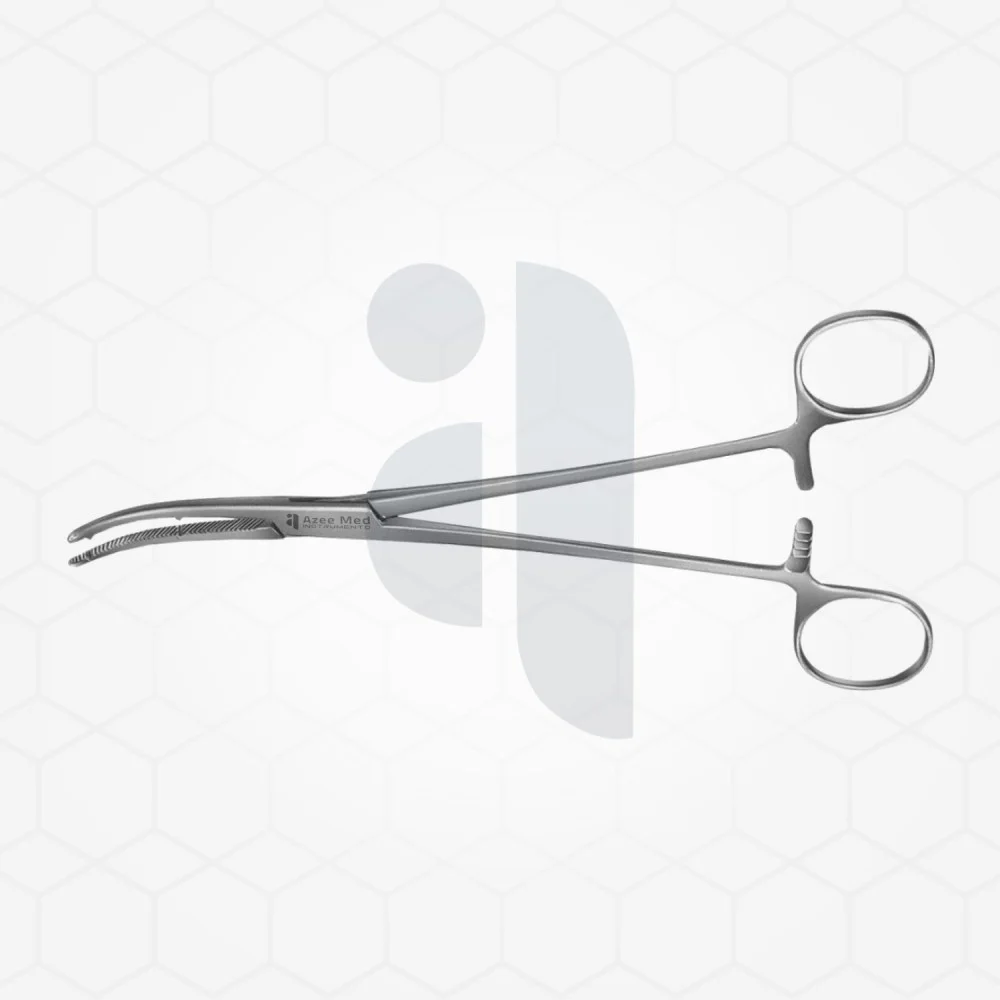
What Are Heaney Forceps?
Heaney forceps are curved surgical clamps designed primarily for clamping and controlling tissue during gynecological and obstetric procedures. Named after Dr. Noble Sproat Heaney, who developed them in the early 20th century, these instruments feature distinctive curved jaws with longitudinal serrations that provide a firm, controlled grip on tissue without causing excessive trauma.
The design includes ratcheted handles that allow surgeons to maintain consistent pressure once the forceps are locked in place. This self-retaining feature proves particularly valuable during lengthy procedures where sustained clamping is necessary. The curved shape follows the natural contours of pelvic anatomy, making Heaney forceps especially effective for procedures involving the uterus, broad ligaments, and other pelvic structures.
Most Heaney forceps measure between 8 and 10 inches in length, though variations exist to accommodate different surgical approaches and patient anatomies. The jaws typically feature one or more teeth on each side, which interlock when closed to prevent tissue slippage during manipulation.
Clinical Applications of Heaney Forceps
Surgeons reach for Heaney forceps in numerous clinical scenarios. Their versatility makes them a staple in operating rooms performing gynecological surgeries.
During hysterectomies, Heaney forceps serve multiple purposes. Surgeons use them to clamp the uterine vessels, broad ligaments, and cardinal ligaments before cutting and suturing. The secure grip these forceps provide minimizes bleeding and allows for precise tissue dissection. Their curved design aligns perfectly with the surgical field, reducing the need for awkward hand positions that could compromise precision.
Cesarean sections also benefit from the controlled clamping that Heaney forceps offer. When controlling bleeding from uterine vessels or managing tissue during the surgical closure, these instruments provide the reliability that time-sensitive obstetric procedures demand.
Beyond obstetrics and gynecology, Heaney forceps find application in other surgical specialties. General surgeons may use them for procedures involving abdominal organs, while urological surgeons appreciate their design for certain pelvic operations.
Weitlaner Retractors: Complementary Instruments
While Heaney forceps excel at clamping and tissue control, weitlaner retractors serve a different but equally important purpose in the surgical field. These self-retaining retractors hold incisions open, providing surgeons with clear visibility and access to the operative site.
Weitlaner retractors feature two arms with multiple sharp or blunt prongs that hook into tissue edges. A ratchet mechanism locks the retractor at the desired width, maintaining consistent exposure throughout the procedure without requiring an assistant to hold it in place. This self-retaining quality frees up surgical team members to focus on other critical tasks.
The combination of Heaney forceps and weitlaner retractors creates an efficient surgical setup. While the retractors maintain exposure, the forceps provide the precision clamping needed for vessel control and tissue manipulation. This synergy between instruments demonstrates why comprehensive surgical sets include both types of tools.
Weitlaner retractors come in various sizes and configurations. Some feature sharp prongs for firm tissue grip, while others use blunt prongs for more delicate applications. The choice depends on the specific procedure and tissue characteristics. Surgeons working in confined spaces, such as the pelvis during gynecological procedures, often prefer smaller weitlaner retractors that provide adequate exposure without crowding the operative field.
Key Features That Define Quality Heaney Forceps
Not all Heaney forceps deliver the same performance. Several features distinguish superior instruments from adequate ones.
Material composition plays a crucial role in instrument longevity and performance. High-grade stainless steel resists corrosion, maintains sharpness, and withstands repeated sterilization cycles. Medical-grade stainless steel, typically 420 or 440 series, offers the optimal balance of strength, flexibility, and corrosion resistance.
Jaw design directly impacts tissue handling. The serrations should be precisely machined to provide secure grip without crushing delicate structures. Teeth should align perfectly when the forceps close, preventing tissue slippage during manipulation. Any misalignment can compromise the instrument's effectiveness and potentially damage tissue.
Ratchet mechanism quality determines how well the forceps maintain consistent pressure. Smooth, precise ratcheting allows surgeons to select the exact amount of clamping force needed. The mechanism should engage and release easily while remaining secure once locked.
Ergonomic handle design reduces surgeon fatigue during lengthy procedures. Ring handles should accommodate different hand sizes comfortably, while the overall instrument balance should feel natural during use.
Proper Maintenance and Care
Investing in quality Heaney forceps requires corresponding investment in proper maintenance. Well-maintained instruments perform better and last significantly longer than neglected ones.
Cleaning should begin immediately after use. Blood and tissue residue harden quickly, making later removal difficult and potentially damaging instrument surfaces. Enzymatic cleaners designed for surgical instruments help break down organic material without corroding metal surfaces.
Sterilization protocols must follow manufacturer guidelines and healthcare facility standards. Autoclave parameters—temperature, pressure, and duration—should remain consistent to prevent instrument degradation. Improper sterilization can weaken metal, misalign mechanisms, or damage surface finishes.
Regular inspection catches problems before they affect surgical outcomes. Check ratchet mechanisms for smooth operation, examine jaws for proper alignment, and inspect serrations for wear or damage. Any instruments showing signs of deterioration should be removed from service immediately.
Proper storage protects instruments between uses. Heaney forceps should rest in instrument trays with adequate spacing to prevent contact damage. Avoid stacking instruments haphazardly, as this can bend shanks, misalign jaws, or damage ratchet mechanisms.
Selecting the Right Heaney Forceps for Your Practice
Choosing appropriate Heaney forceps involves considering several factors specific to your surgical practice and patient population.
Procedure types performed most frequently should guide your selection. Practices focusing on hysterectomies may require different forceps specifications than those primarily performing cesarean sections. Consider the variety of procedures your team handles and select instruments that cover the full range of applications.
Patient demographics influence instrument selection. Practices serving populations with varying anatomical considerations may need multiple forceps sizes to accommodate different body types effectively.
Budget constraints exist in every healthcare setting, but quality instruments represent an investment rather than an expense. While premium Heaney forceps cost more initially, their superior performance and longevity often make them more economical over time than cheaper alternatives requiring frequent replacement.
Supplier reputation matters significantly when purchasing surgical instruments. Established manufacturers with proven track records typically provide more consistent quality and better customer support than unknown brands offering seemingly attractive prices.
Why Quality Matters in Surgical Instruments
Surgical outcomes depend on numerous factors, but instrument quality ranks among the most controllable variables. Reliable Heaney forceps contribute to safer, more efficient procedures in several ways.
Consistent performance reduces surgical complications. When forceps maintain secure tissue grip without slipping, surgeons can work confidently, focusing on technique rather than compensating for unreliable tools. This reliability translates directly into reduced blood loss, shorter operative times, and improved patient outcomes.
Durability provides long-term value. Quality instruments withstand thousands of sterilization cycles and years of regular use while maintaining original performance standards. This longevity reduces replacement costs and ensures consistent results across the instrument's lifespan.
Surgeon confidence matters more than many realize. Knowing instruments will perform as expected allows surgical teams to focus entirely on patient care rather than worrying about equipment failures. This mental clarity can make the difference between good outcomes and excellent ones.
Equipping Your Surgical Practice for Success
Building a comprehensive surgical instrument collection requires careful planning and investment in quality tools that serve your team well for years. Heaney forceps deserve a prominent place in any gynecological or obstetric surgical set, alongside complementary instruments like weitlaner retractors that enhance surgical exposure and efficiency.
Azeemed Instruments offers surgical tools engineered to meet the demanding standards of modern medical practice. When selecting Heaney forceps and other surgical instruments, prioritize quality, reliability, and proven performance. Your patients deserve nothing less than the precision and safety that premium surgical instruments provide.
The right tools empower surgical teams to deliver exceptional care. By understanding what makes Heaney forceps essential, recognizing quality features, and maintaining instruments properly, you create the foundation for surgical excellence that benefits every patient who enters your operating room.

 English
 Arabic
 French
 Portuguese
 Deutsch
 Turkish
 Dutch
Dutch
 Italiano
 Russian
 Romaian
 Portuguese (Brazil)
 Greek
Greek